Projects from Madhya Pradesh
Pan India Outreach-
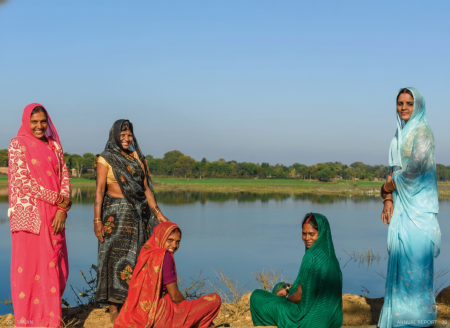 Swavlamban (Bundelkhand Mega Project)CARING FRIENDS (SHRI RAMESH KACHOLIA)Swavlamban (Bundelkhand Mega Project)Donor: CARING FRIENDS (SHRI RAMESH KACHOLIA)Project Area: Bundelkhand of Madhya Pradesh and Uttar PradeshDuration: 2021-02-01 - 2025-12-31
“Swavlamban”Promoting self-reliance. Securing Livelihood and enhancing the income of the 1,18,000 farmers in districts of Bundelkhand both of Madhya Pradesh and Uttar Pradesh through stabilising agriculture and promoting comprehensive livelihood basket. Program focus on water security, sustainable agriculture and rural livelihood promotions.
-
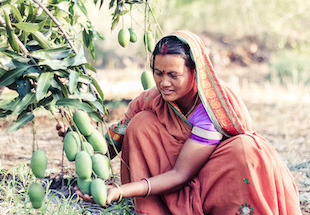 Securing Income through diversified Farm based LivelihoodAZIM PREMJI Foundation (APF)Securing Income through diversified Farm based LivelihoodDonor: AZIM PREMJI Foundation (APF)Project Area: Chhattisgarh, Rajasthan & Madhya PradeshDuration: 2024-04-01 - 2027-03-31
Smallholder horticulture and community institutions building for replication and policy influence, supported by Azim Premji Philanthropic Initiatives. This multi-pronged project focuses on smallholder horticulture through nano-orchards demonstration and replication through state governments. There are multiple forums that we engage in various parts of the country like Bundelkhand and Mahakoshal regions of Madhya Pradesh and Mewar region of Rajasthan.
-
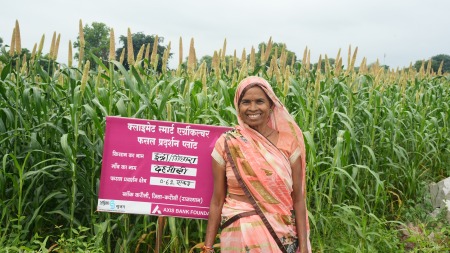 Building climate resilient livelihoods for small and marginal farmersAXIS BANK FOUNDATION (ABF)Building climate resilient livelihoods for small and marginal farmersDonor: AXIS BANK FOUNDATION (ABF)Project Area: Jatara,Karauli,Niwari,Sawai Madhopur,ShivpuriDuration: 2025-04-01 - 2030-03-31
This Project aims of creating climate resilient livelihoods for 70,000 small and marginal farmers in Jatara, Karauli, Niwari, Sawai Madhopur, Shivpuri of Madhya Pradesh and Rajasthan.
-
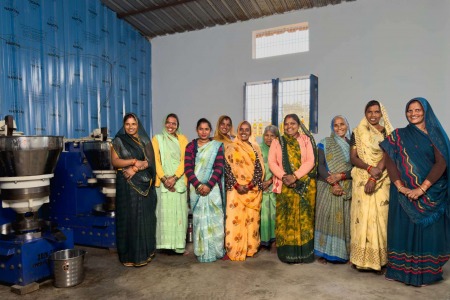 Empowering 38000 women smallholder farmers in UP and MP through sustainable Agricultural Practices and strengthening women-led Farmer Producer organization - II WalmartDonor: WalmartProject Area: Lalitpur,Shivpuri,Tikamgarh,Dhar,Chhindwara,Anuppur,NiwariDuration: 2024-12-01 - 2027-03-31
The project aims to enhance incomes of women smallholder farmers by promoting sustainable agricultural practices, strengthening women-led Farmer Producer Organisations, and improving productivity and market linkages .
-
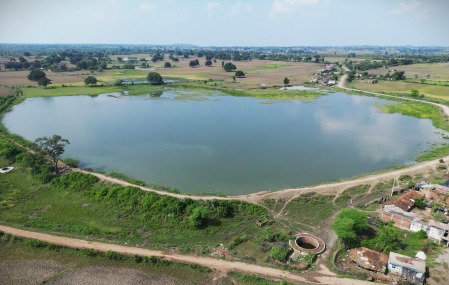 VISTAAR: BUILDING CLIMATE RESILIENT COMMUNITY FOR SECURING LIVELIHOOD AND NURTURING SUSTAINABLE FUTUREINDUSIND BANKVISTAAR: BUILDING CLIMATE RESILIENT COMMUNITY FOR SECURING LIVELIHOOD AND NURTURING SUSTAINABLE FUTUREDonor: INDUSIND BANKProject Area: Madhya PradeshDuration: 2024-02-01 - 2027-03-31
It is a three-year project designed with the goal of creating water potential, improving water management practices and agricultural productivity. The project covers 4 districts of Madhya Pradesh (Satna, Panna, Shivpuri, Damoh) with 5 aspiration blocks (Kolars, Majghawan, Ajaigarh, Pichhore, Tendukera) of Madhya Pradesh.
-
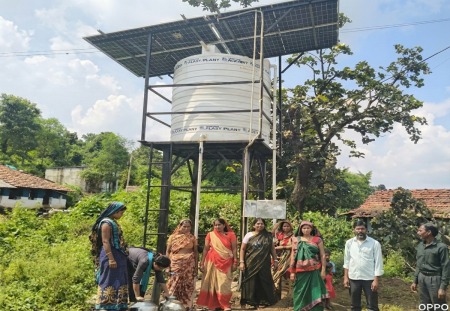 Augmentation & Conservation of Natural Resources for Sustainable Environment & Livelihoods in Marginal Geographies of Rajasthan and Madhya PradeshStandard CharteredAugmentation & Conservation of Natural Resources for Sustainable Environment & Livelihoods in Marginal Geographies of Rajasthan and Madhya PradeshDonor: Standard CharteredProject Area: Chhindwara, KarauliDuration: 2024-08-08 - 2026-08-07
The project aims to mitigate water scarcity through integrated watershed development approach and build capacity of the communities through climate resilient agricultural practices and solar power in aspirational districts of Rajasthan and Madhya Pradesh.
-
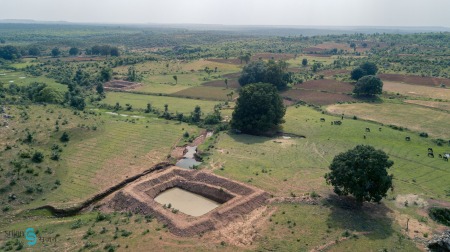 Strengthening Climate- Resilience of the tribal Community of Mohkhed Block Chhindwara by Restoring Natural Resources and Farm InitiativeCapri FoundationStrengthening Climate- Resilience of the tribal Community of Mohkhed Block Chhindwara by Restoring Natural Resources and Farm InitiativeDonor: Capri FoundationProject Area: ChhindwaraDuration: 2025-04-01 - 2025-03-30
The project aims to strengthen climate resilience of tribal communities by restoring natural resources and promoting sustainable farm-based livelihood initiatives.
-
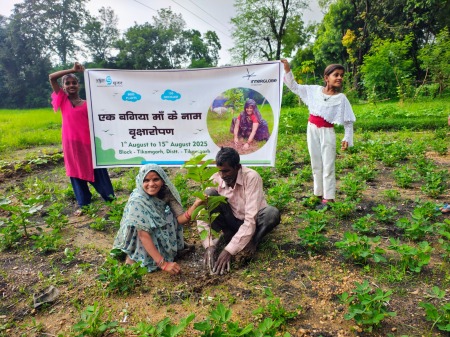 Fostering Climate Resilience through Rejuvenation of Heritage Water Bodies for Stabilising Rural LivelihoodsInterGlobe FoundationFostering Climate Resilience through Rejuvenation of Heritage Water Bodies for Stabilising Rural LivelihoodsDonor: InterGlobe FoundationProject Area: Jatara, NiwariDuration: 2024-06-01 - 2028-03-31
The project focuses on enhancing climate-resilient rural livelihoods by rejuvenating heritage water bodies, strengthening water harvesting systems, and promoting sustainable agriculture practices to improve farm incomes.
-
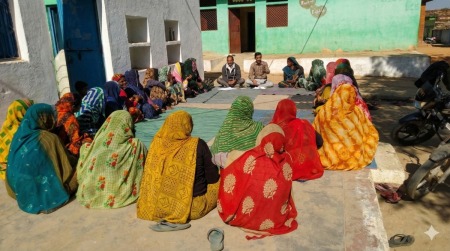 Swalamban GramElevar Digitel Infrastructure Private LimitedSwalamban GramDonor: Elevar Digitel Infrastructure Private LimitedProject Area: NiwariDuration: 2025-08-01 - 2028-03-31
The project aims to promote self-reliant villages by supporting community-led development initiatives that strengthen livelihoods, local infrastructure, and sustainable rural systems.
-
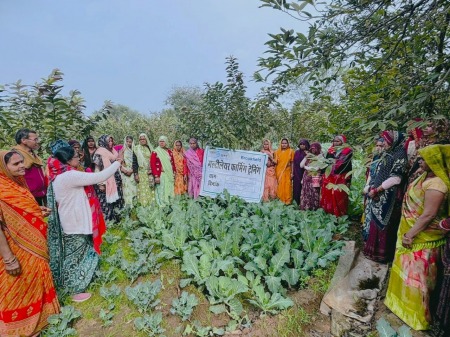 SwalambanBrookfield Advisors India Private LimitedSwalambanDonor: Brookfield Advisors India Private LimitedProject Area: NiwariDuration: 2025-10-01 - 2026-03-31
Enhancing rural livelihoods through infrastructure development and sustainable agriculture interventions, focusing on productivity improvement and farmer income enhancement.
-
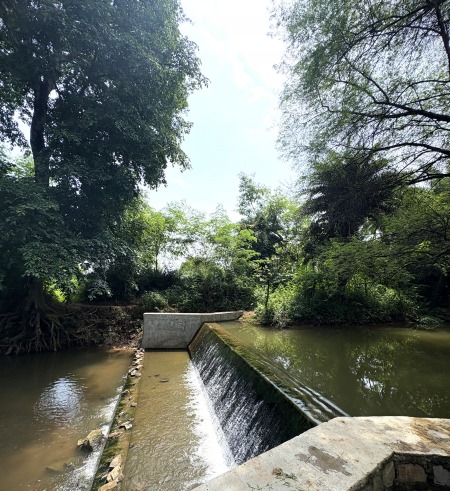 Partners for Water Access and Better Harvests in India (PWABHI)Rotary Club of Delhi PremierPartners for Water Access and Better Harvests in India (PWABHI)Donor: Rotary Club of Delhi PremierProject Area: NiwariDuration: 2024-07-01 - 2029-06-30
The project aims to build climate-resilient communities by strengthening local livelihoods through sustainable natural resource management and adaptive livelihood practices.
-
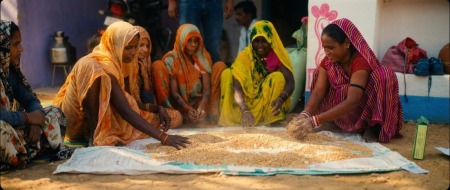 Empowering Rural Livelihoods through Sustainable Farming and Water Conservation in TikamgarhThe JRD Tata trustEmpowering Rural Livelihoods through Sustainable Farming and Water Conservation in TikamgarhDonor: The JRD Tata trustProject Area: JataraDuration: 2025-08-01 - 2028-07-31
The project focuses on strengthening rural livelihoods through sustainable farming practices and water conservation interventions to improve income security.
-
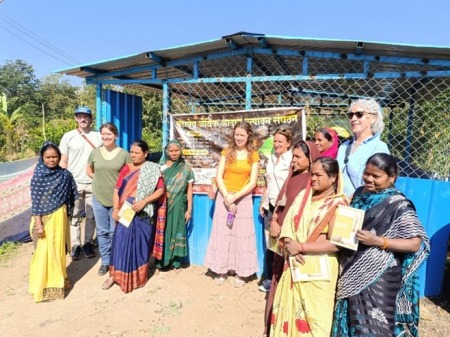 Empowering communities through Regenerative+Wildlife Friendly certified cotton production in Satpura-Pench CorridorWILDLIFE FRIENDLY ENTERPRISE NETWORK (WFEN)Empowering communities through Regenerative+Wildlife Friendly certified cotton production in Satpura-Pench CorridorDonor: WILDLIFE FRIENDLY ENTERPRISE NETWORK (WFEN)Project Area: ChhindwaraDuration: 2024-04-15 - 2025-03-31
The project will be implemented in the Satpura-Pench Corridor connecting the Satpura and Pench Tiger Reserves, home to several endangered and threatened species, including Bengal Tiger, Leopard, and Sloth Bears.
-
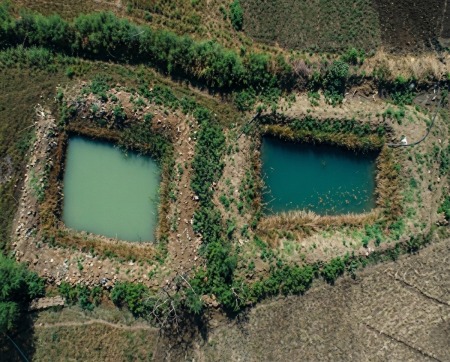 Regenerative Production landscape collaborative (RPLC)IDH (The sustainable Trade Initiative)Regenerative Production landscape collaborative (RPLC)Donor: IDH (The sustainable Trade Initiative)Project Area: ChhindwaraDuration: 2022-01-01 - 2024-12-31
This project uses regenerative farming to boost the income and well-being of 12,000 marginalized families in rural Madhya Pradesh. It empowers women and strengthens local farm businesses to create a sustainable agricultural future.
-
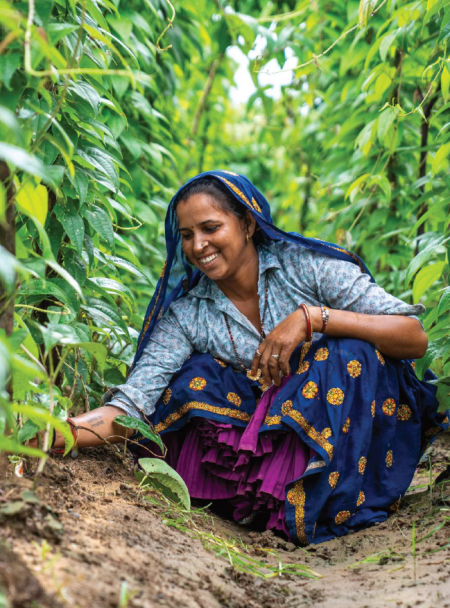 Prerna - Krishi Mitr - Crop DiversificationMahindra and MahindraPrerna - Krishi Mitr - Crop DiversificationDonor: Mahindra and MahindraProject Area: ChhindwaraDuration: 2025-07-11 - 2026-03-10
The project promotes crop diversification by strengthening farmer capacities and encouraging sustainable agricultural practices to improve farm resilience and incomes.
-
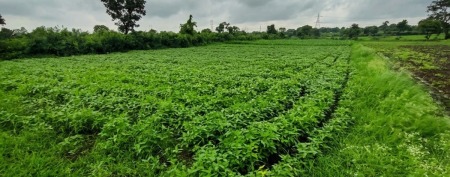 GHG KDE Scoping and Traceability PilotThe Fishin CoGHG KDE Scoping and Traceability PilotDonor: The Fishin CoProject Area: ChhindwaraDuration: 2025-07-01 - 2026-03-31
This initiative integrates regenerative soybean cultivation into fish feed supply chains to enhance soil health and farmer resilience. By leveraging SRIJAN's community networks, it creates sustainable market linkages that drive economic growth and agricultural stability in under-resourced areas.
-
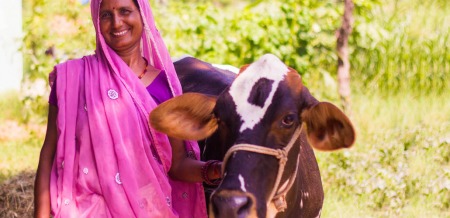 SwayamshreeReliance Foundation, Bill & Melinda Gates FoundationSwayamshreeDonor: Reliance Foundation, Bill & Melinda Gates FoundationProject Area: Chhatarpur, JataraDuration: 2019-01-01 - 2026-10-31
The project aims to strengthen rural livelihoods by supporting sustainable farm-based activities, improving value addition and market linkages, enhancing allied livelihood opportunities, and building community capacities to promote long-term income stability and resilience.
-
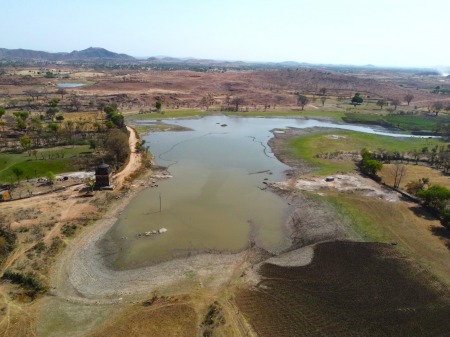 Bundelkhand Initiative For Water Agriculture & livelihood (BIWAL)HINDUSTAN UNILEVER FOUNDATIONBundelkhand Initiative For Water Agriculture & livelihood (BIWAL)Donor: HINDUSTAN UNILEVER FOUNDATIONProject Area: Uttar Pradesh & Madhya PradeshDuration: 2019-01-01 - 2025-12-31
The focus of Phase 1 (January 2019 to March 2022) was to increase access to irrigation through rejuvenation of traditional tanks and dissemination of improved practices for adoption by farmers. As silt accumulation was a major problem for these water bodies, de-siltation was prioritised as an intervention for tank rejuvenation. Silt extracted was lifted by farmers in the tank catchment and applied to their agricultural land. During this phase, it was observed that farmers were struggling with poor crop yields. This was on account of use of poor seed quality and poor soil health. While silt application helped improve soil moisture and soil health to an extent, it was evident that the region’s farmers needed additional support to transform their poor yield crop cycle to abundant produce. This would require extensive awareness amongst farmers to undertake practices such as seed treatment and application of locally produced organic nutrient inputs instead of chemical inputs. The objectives of the second phase are therefore to build on the foundation of tank rehabilitation and to sustain impact in the communities by: Codification of the tank rejuvenation approach – both at a regional hydrogeological scale and at an individual tank operation unit to mobilise government and other resources for large-scale rejuvenation of tanks across both states of UP and MP Ensuring effective governance of the rejuvenated tanks via community-based Tank Management Committees so that the tanks serve the catchment families equitably, are well maintained and continue to stay functional post programme closure Catalysing widespread behavior change amongst farmers to adopt improved agricultural practices leading to better soil health, judicious input use, enhanced yields, and overall well-being
-
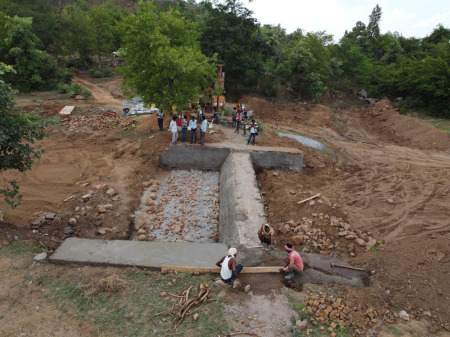 WATERSHED DEVELOPMENT FUNDWDF, NABARDWATERSHED DEVELOPMENT FUNDDonor: WDF, NABARDProject Area: Chhindwara District, Madhya PradeshDuration: 2021-02-11 - 2026-02-10
The goal of this program is “integration of activities towards additional soil and water conservation and building climate resilience by improving adaptive capacities of the communities against changing climate in the WDF watershed”. Watershed Development Fund is an initiative being promoted by National Bank for Agriculture and Rural Development (NABARD) which focuses on overcoming the agrarian distress among the rural India. The initiative focuses on promoting comprehensive livelihood programme for the rural community based on Watershed lines. WDF has been established at NABARD with the objective of integrated Watershed development through participatory approach. Under the program two villages (Rangeenkhapa and Marai) in Chhindwara block of Chhindwara district is targeted for the WDF program with 347 families and 989 hectare of land.
