Projects from Uttar Pradesh
Pan India Outreach-
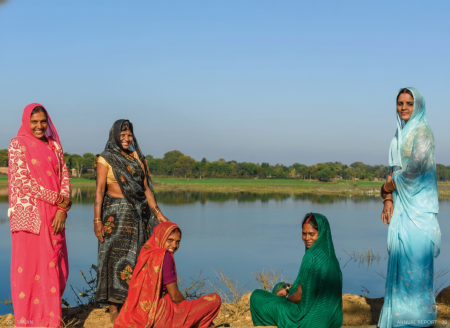 Swavlamban (Bundelkhand Mega Project)CARING FRIENDS (SHRI RAMESH KACHOLIA)Swavlamban (Bundelkhand Mega Project)Donor: CARING FRIENDS (SHRI RAMESH KACHOLIA)Project Area: Bundelkhand of Madhya Pradesh and Uttar PradeshDuration: 2021-02-01 - 2025-12-31
“Swavlamban”Promoting self-reliance. Securing Livelihood and enhancing the income of the 1,18,000 farmers in districts of Bundelkhand both of Madhya Pradesh and Uttar Pradesh through stabilising agriculture and promoting comprehensive livelihood basket. Program focus on water security, sustainable agriculture and rural livelihood promotions.
-
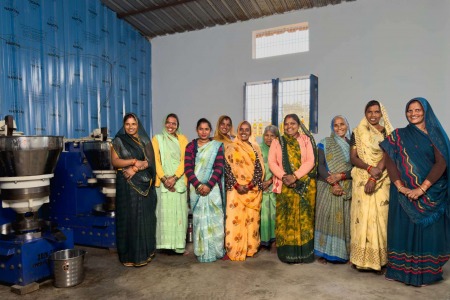 Empowering 38000 women smallholder farmers in UP and MP through sustainable Agricultural Practices and strengthening women-led Farmer Producer organization - II WalmartDonor: WalmartProject Area: Lalitpur,Shivpuri,Tikamgarh,Dhar,Chhindwara,Anuppur,NiwariDuration: 2024-12-01 - 2027-03-31
The project aims to enhance incomes of women smallholder farmers by promoting sustainable agricultural practices, strengthening women-led Farmer Producer Organisations, and improving productivity and market linkages .
-
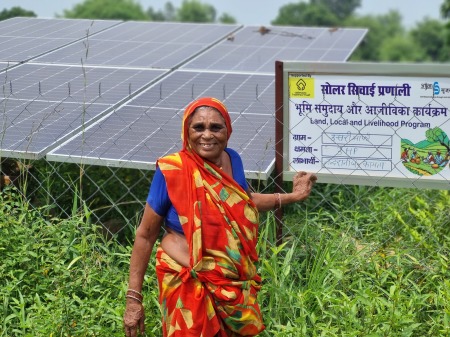 3 Ls (Land Local and Livelihood) by Ashraya Hastha TrustAshraya Hastha Trust- AHT3 Ls (Land Local and Livelihood) by Ashraya Hastha TrustDonor: Ashraya Hastha Trust- AHTProject Area: ChitrakootDuration: 2024-10-01 - 2027-09-30
Securing livelihoods and enhancing the income of the 3000 women farmers in 30 villages by stabilizing agriculture and promoting a comprehensive livelihood basket in three years.
-
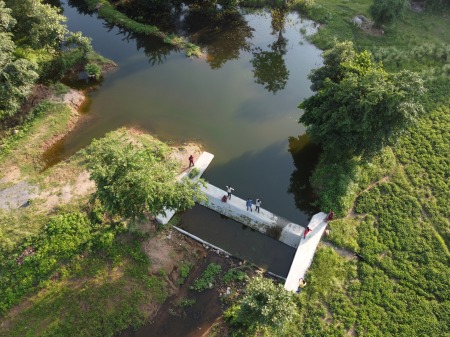 Enhance Prosperity of Vulnerable Communities through Holistic Development of Water, Agriculture and Livelihood (HDFC Bamaur)Donor: HDFCProject Area: BamaurDuration: 2024-10-01 - 2027-09-30
The project focuses on holistic rural development by strengthening water conservation, promoting sustainable agriculture, improving rural infrastructure, and supporting livelihood opportunities to enhance resilience and well-being of vulnerable communities.
-
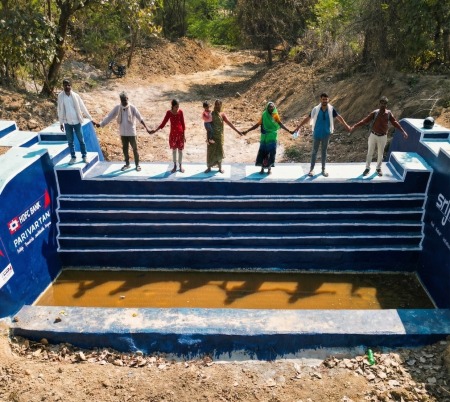 Focused Development Project (FDP) MahobaDonor: HDFCProject Area: MahobaDuration: 2023-10-01 - 2026-12-31
The project focuses on NRM-based livelihoods by strengthening water resources through dam renovation, water harvesting structures, and restoration of tanks and wells, while promoting sustainable agriculture through multi-layer farming and nano-orchards to enhance farm incomes.
-
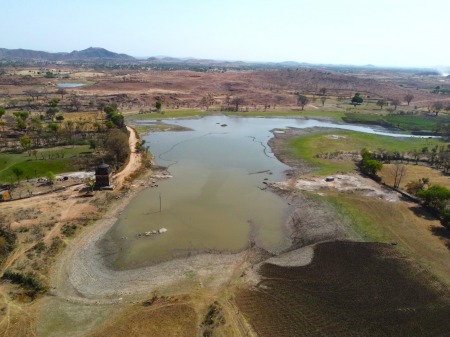 Bundelkhand Initiative For Water Agriculture & livelihood (BIWAL)HINDUSTAN UNILEVER FOUNDATIONBundelkhand Initiative For Water Agriculture & livelihood (BIWAL)Donor: HINDUSTAN UNILEVER FOUNDATIONProject Area: Uttar Pradesh & Madhya PradeshDuration: 2019-01-01 - 2025-12-31
The focus of Phase 1 (January 2019 to March 2022) was to increase access to irrigation through rejuvenation of traditional tanks and dissemination of improved practices for adoption by farmers. As silt accumulation was a major problem for these water bodies, de-siltation was prioritised as an intervention for tank rejuvenation. Silt extracted was lifted by farmers in the tank catchment and applied to their agricultural land. During this phase, it was observed that farmers were struggling with poor crop yields. This was on account of use of poor seed quality and poor soil health. While silt application helped improve soil moisture and soil health to an extent, it was evident that the region’s farmers needed additional support to transform their poor yield crop cycle to abundant produce. This would require extensive awareness amongst farmers to undertake practices such as seed treatment and application of locally produced organic nutrient inputs instead of chemical inputs. The objectives of the second phase are therefore to build on the foundation of tank rehabilitation and to sustain impact in the communities by: Codification of the tank rejuvenation approach – both at a regional hydrogeological scale and at an individual tank operation unit to mobilise government and other resources for large-scale rejuvenation of tanks across both states of UP and MP Ensuring effective governance of the rejuvenated tanks via community-based Tank Management Committees so that the tanks serve the catchment families equitably, are well maintained and continue to stay functional post programme closure Catalysing widespread behavior change amongst farmers to adopt improved agricultural practices leading to better soil health, judicious input use, enhanced yields, and overall well-being
